
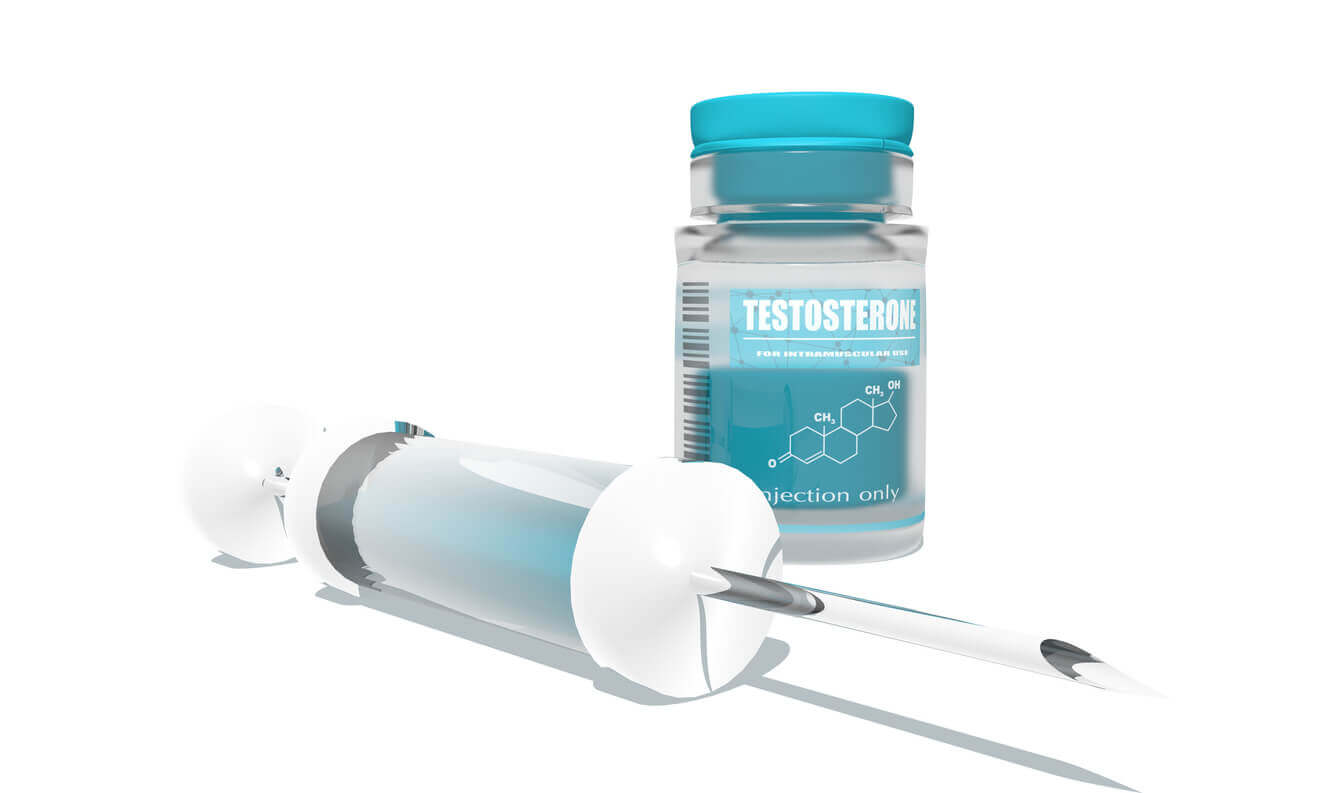
Testosterone is often thought of as exclusively a male hormone, but it plays a meaningful role in the health of both men and women. In short,
- Testosterone injections treat clinically low testosterone in both men and some women.
- Benefits may include improved energy, mood, libido, and bone density.
- Consult a doctor for a personalized risk-benefit assessment and ongoing monitoring.
For individuals with clinically low testosterone levels, testosterone injections can help restore hormonal balance. Testosterone injections for men can lead to improved muscle mass, enhanced libido, and more stable energy levels.
For women, this treatment can also play a crucial role in managing symptoms like fatigue and low libido, contributing to overall well-being.
What Are Testosterone Injections?
Testosterone injections deliver a synthetic form of the hormone, like testosterone cypionate or enanthate, directly into a large muscle such as the glute or thigh. The hormone is then absorbed into the bloodstream, supplementing the body’s natural production.
This method is one of the most reliable and cost-effective ways to administer hormone therapy. Unlike daily gels or creams, injections are typically given every one to two weeks and provide a controlled, measurable dose.
According to the Mayo Clinic, this method provides consistent hormonal support for men with clinically diagnosed hypogonadism, avoiding the unpredictable fluctuations common with other delivery methods.
How Testosterone Affects the Body
Testosterone is an androgen hormone that influences far more than sexual function. In men, it supports:
- Muscle mass and physical strength
- Bone mineral density
- Energy levels and stamina
- Libido and erectile function
- Mood, focus, and cognitive clarity
- Red blood cell production
When testosterone levels fall below the normal range, these systems begin to suffer. Men with low testosterone often report feeling chronically tired, mentally foggy, and emotionally flat. These symptoms do not resolve with rest or lifestyle changes alone.
In women, testosterone is produced in smaller amounts by the ovaries and adrenal glands. It contributes to bone strength, muscle tone, sexual desire, and overall energy.
While testosterone deficiency is less commonly diagnosed in women, some do experience symptoms linked to low levels, particularly during perimenopause and after menopause, according to the Cleveland Clinic.
Testosterone Injections for Men: Who Is a Candidate?
The primary candidates for testosterone injections for men are those with symptomatic, clinically confirmed hypogonadism. Diagnosis requires more than a single low reading. Providers typically order multiple morning blood tests, since testosterone levels peak in the morning and fluctuate throughout the day.
Common symptoms that prompt evaluation include:
- Persistent fatigue that does not improve with sleep
- Reduced libido or erectile dysfunction
- Loss of lean muscle mass and increased body fat
- Mood changes, including irritability and low motivation
- Decreased bone density
- Difficulty concentrating
It is important to distinguish between medically low testosterone and the gradual hormonal decline that occurs naturally with age. Testosterone injections are designed to address a clinical deficiency, not simply to reverse the passage of time.
A thorough evaluation with your healthcare provider is the only way to determine whether your symptoms have a hormonal cause.
Can Women Benefit from Testosterone Therapy?
The relationship between testosterone and women’s health is more nuanced and less well-established than it is for men. However, there is a growing body of evidence suggesting that some women with documented low testosterone levels and specific symptoms — such as diminished sexual desire — may benefit from carefully supervised low-dose testosterone therapy.
Women are not candidates for testosterone injections at the doses used for men. Any hormone therapy for women must use significantly lower concentrations and must be managed under close medical supervision with regular monitoring.
While the benefits of testosterone therapy for women should not be overstated, a comprehensive hormonal evaluation is a valuable step for any woman experiencing symptoms that could be hormone-related. A discussion with your healthcare provider is encouraged.
Women who are pregnant, trying to conceive, or have certain hormone-sensitive conditions are generally not appropriate candidates.
How Testosterone Injections for Men Work: The Mechanism
Once injected, synthetic testosterone enters the bloodstream and binds to androgen receptors throughout the body. The body processes this exogenous hormone the same way it handles naturally produced testosterone.
It triggers the physiological responses associated with healthy testosterone levels — supporting muscle protein synthesis, bone remodeling, red blood cell production, and neurological function.
For men with hypogonadism, restoring these levels means the body can resume the processes that were being shortchanged by insufficient hormone production.
What to Expect: Timeline and Milestones
Testosterone therapy does not deliver overnight results. Changes occur gradually as your body responds to restored hormone levels. Here is a general timeline of what many patients experience:
- Weeks 3 to 6: Patients often report initial improvements in energy, mood, mental clarity, and sleep quality.
- Months 3 to 6: Libido, sexual function, and body composition typically show significant improvement.
- Months 6 to 12: With consistent therapy, you can expect more substantial improvements in muscle mass, bone density, and overall quality of life.
Injections are administered on a schedule your provider determines, and regular blood tests are used throughout to assess your levels and adjust dosing as needed.
Risks, Side Effects, and Monitoring
Like any prescription therapy, testosterone injections carry potential risks. Being informed about them is part of making a responsible decision alongside your healthcare team.
Common side effects may include:
- Acne or oily skin
- Fluid retention
- Elevated red blood cell count (polycythemia)
- Mood fluctuations, particularly early in treatment
Less common concerns include:
- Exacerbation of existing sleep apnea
- Prostate tissue stimulation
- Suppression of natural sperm production
Routine blood work is not optional. It is a core component of safe therapy. Your provider will monitor your testosterone levels, hematocrit, prostate-specific antigen (PSA), and other relevant markers at regular intervals. These results guide dosage adjustments and allow your provider to catch any concerns before they become serious.
If you experience any severe or unexpected symptoms between appointments, contact your provider promptly.
Who Is Not a Candidate?
Testosterone injections are not suitable for everyone. This therapy may not be appropriate for individuals with certain medical histories, including:
- History of prostate or breast cancer: Men with a personal history of these cancers are generally not candidates.
- Severe untreated sleep apnea: This condition should be managed before considering testosterone therapy.
- Uncontrolled heart failure: The therapy may pose risks for individuals with this condition.
- Significantly elevated red blood cell counts (polycythemia): Testosterone can further increase these levels, so it’s a contraindication.
Additionally, men who are trying to have children should be aware that testosterone therapy suppresses natural hormone signaling, which can reduce sperm production. It’s crucial to discuss these fertility implications with a provider, as alternative approaches may be more suitable.
Alternatives to Testosterone Injections for Men or Women
Injections are one of several options for delivering testosterone therapy for men. Depending on your lifestyle, preferences, and medical profile, your provider may discuss other delivery methods:
- Topical gels and creams: Applied daily to the skin for consistent hormone exposure.
- Transdermal patches: Applied daily to a clean, dry area of the body.
- Subcutaneous pellets: Inserted under the skin for slow release over several months.
Each method has its own set of advantages and trade-offs. Your provider will help you evaluate which approach best fits your needs.
Frequently Asked Questions (FAQ)
Below, we have compiled answers to some of the most common questions to help you better understand testosterone injections for men and their potential benefits.
What are the potential benefits of testosterone injections for men?
Some of the potential benefits of testosterone therapy include increased energy levels, improved mood, enhanced muscle strength, better bone density, and improved sexual health. Results may vary depending on an individual’s unique health profile.
Are there risks associated with testosterone therapy?
While testosterone therapy is generally safe and effective when managed properly, there are potential risks and side effects associated with treatment. These may include acne, fluid retention, changes in red blood cell count, or other health concerns.
Our medical team will carefully monitor your progress to ensure safe and positive outcomes.
How is testosterone therapy administered?
Testosterone therapy can be administered in several ways, including injections, topical gels, patches, or pellets. Your healthcare provider will recommend the most suitable method based on your lifestyle and health needs.
How long does it take to see results from testosterone therapy?
The timeline for noticeable results can vary. Many patients report improvements in energy, mood, and overall well-being within a few weeks of starting therapy, but significant changes in muscle mass or bone density may take several months.
Explore Testosterone Injections for Men or Women in Dallas, TX
Whether you are a man dealing with persistent fatigue, low libido, and mood changes, or a woman with concerns about hormonal balance, the right first step is a comprehensive medical evaluation.
A thorough review of your symptoms, medical history, and blood work gives your provider the full picture needed to recommend a safe and effective treatment plan.
Our team takes a personalized, patient-centered approach to hormone health, as we do not believe in one-size-fits-all care. We focus on understanding your specific needs to design a protocol that supports your long-term wellness.
If you are ready to explore whether testosterone therapy is right for you, we are here to help. Our experienced medical team provides patients throughout the Dallas, Texas area with compassionate, evidence-based hormone health care.
Call us at (214) 696-3885 or use our online appointment request form to schedule your consultation today.